
The Rhino Digester System
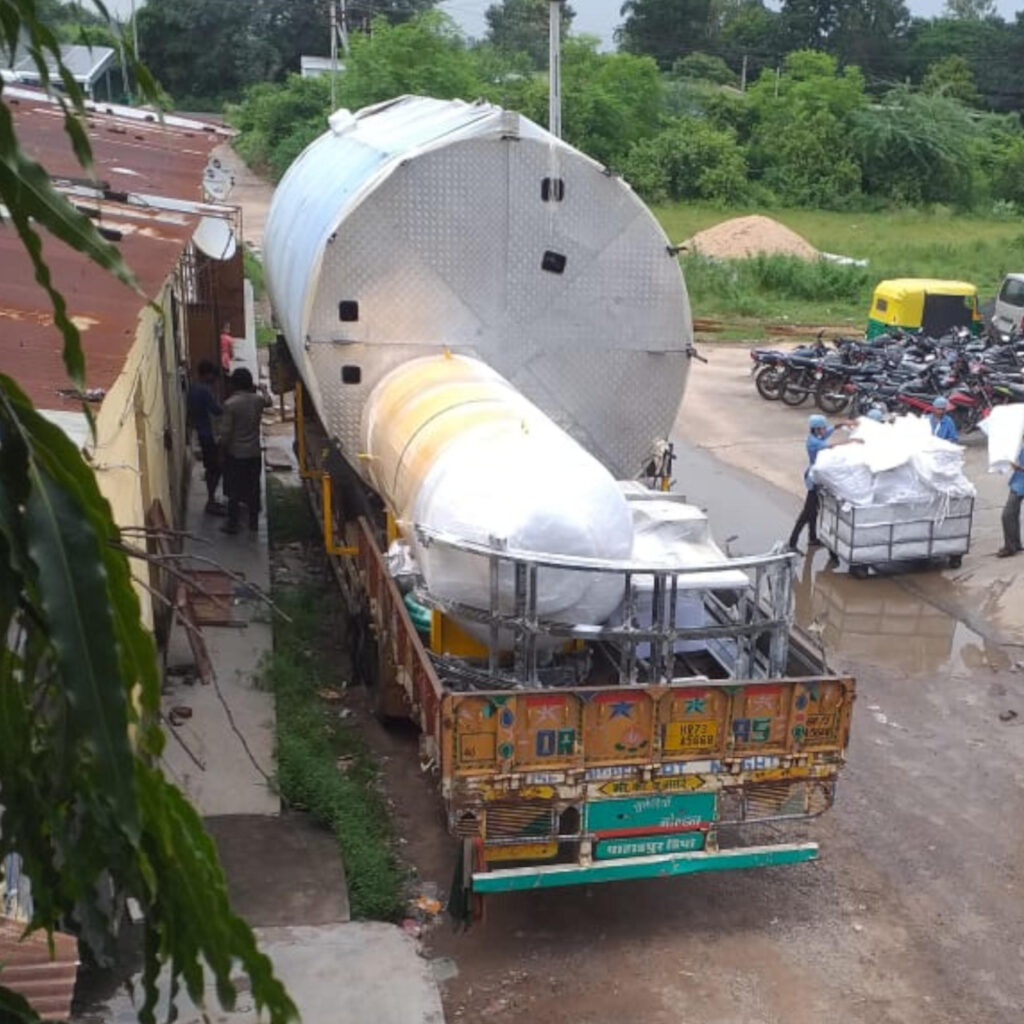
Engineered and factory made with quality components, the Rhino Digester System is up and running in 4 working days. Ideal for any organisation looking for a sustainable and long term solution to waste management in line with ESG mandates.
A modern stat-of-the-art biogas plant runs on indigenous patented technology and involves minimum moving parts. All components are made in India ensuring availability of spares and low cost of ownership. The system is being used in wide range of locations accross India.
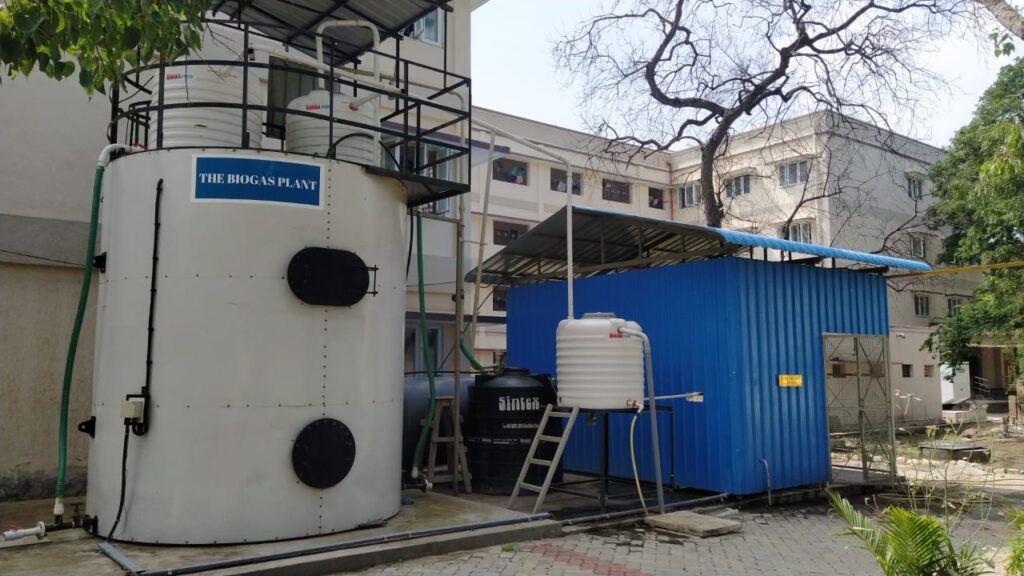
Use Cases
Hotel
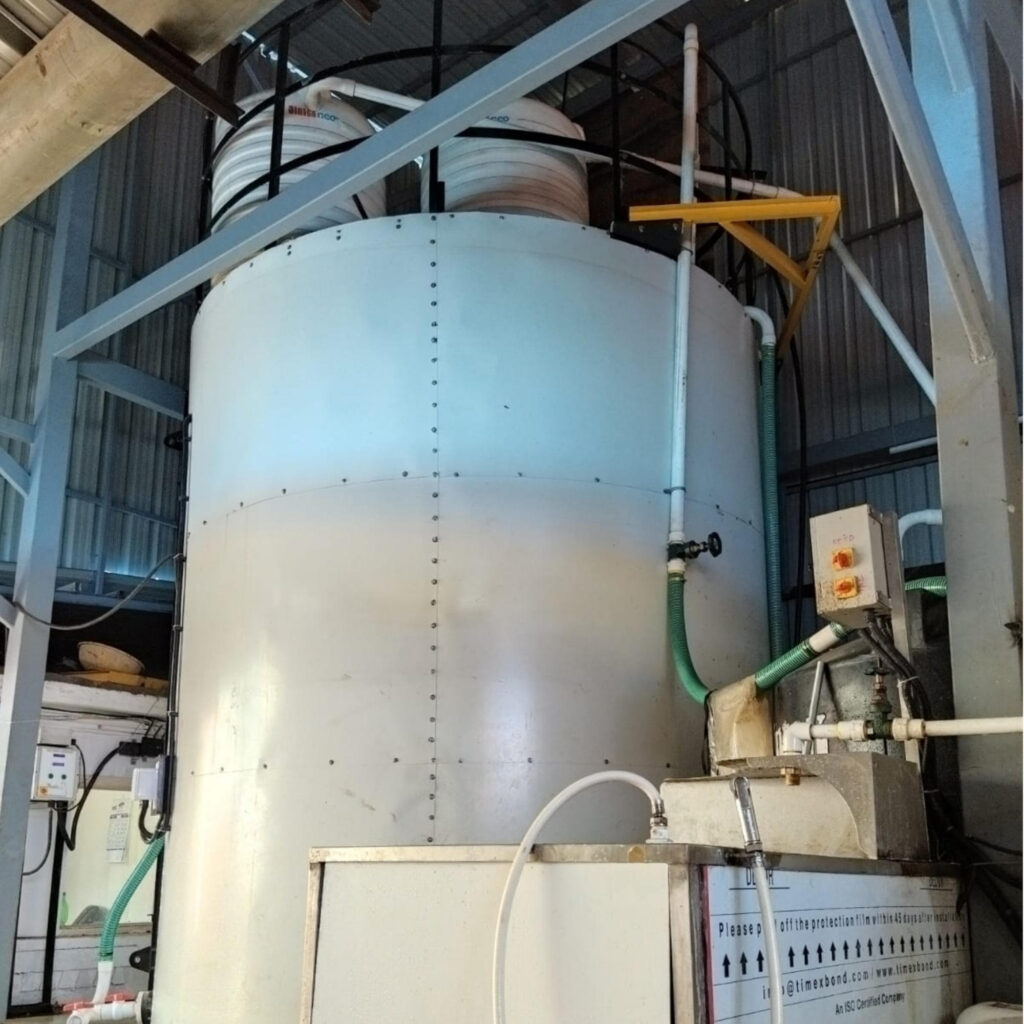
Industry
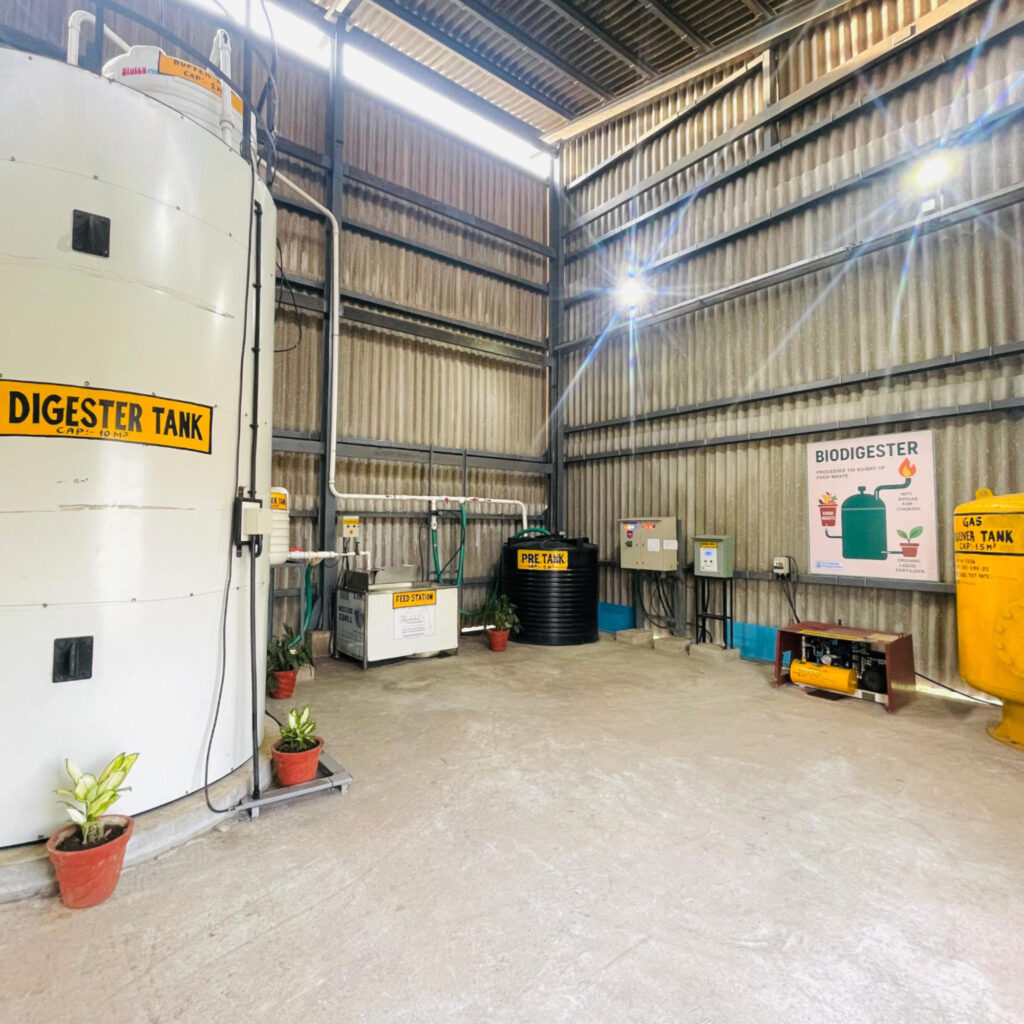
Resort
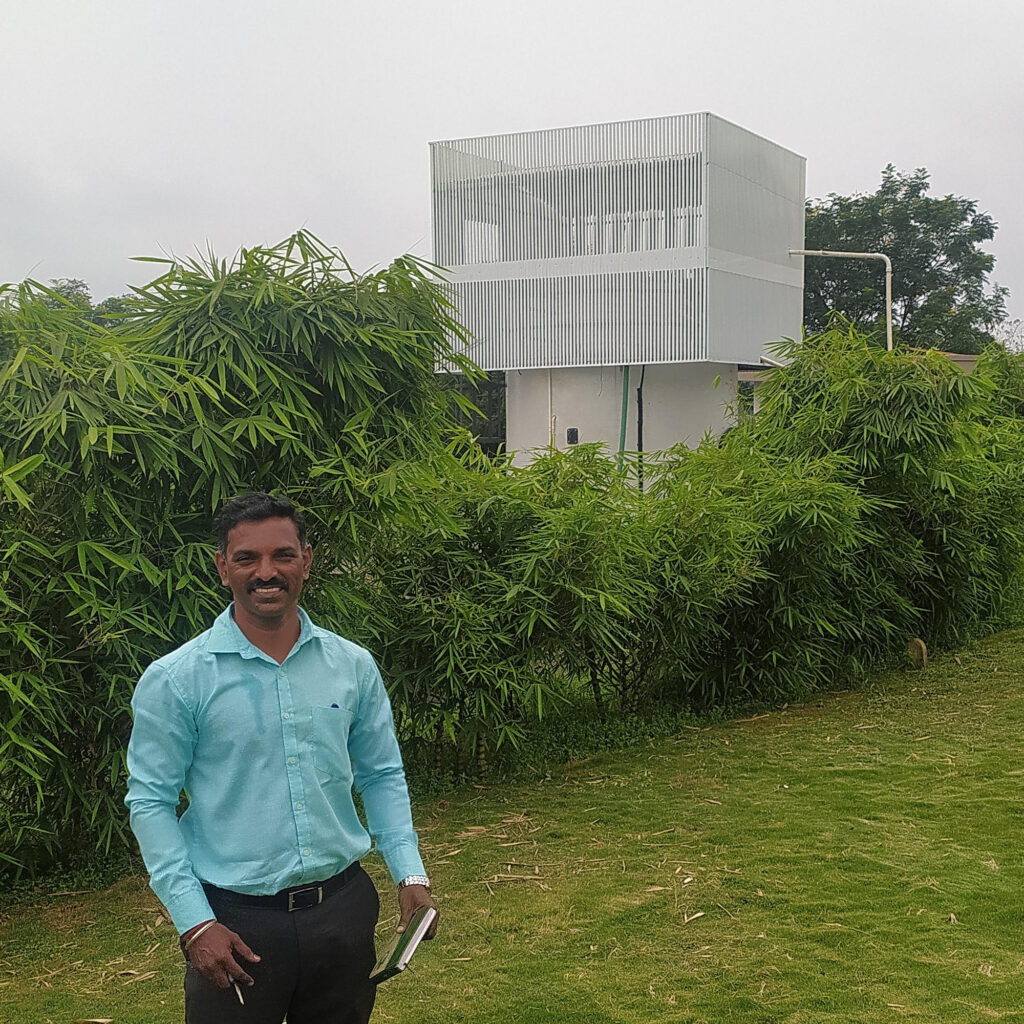
Institute
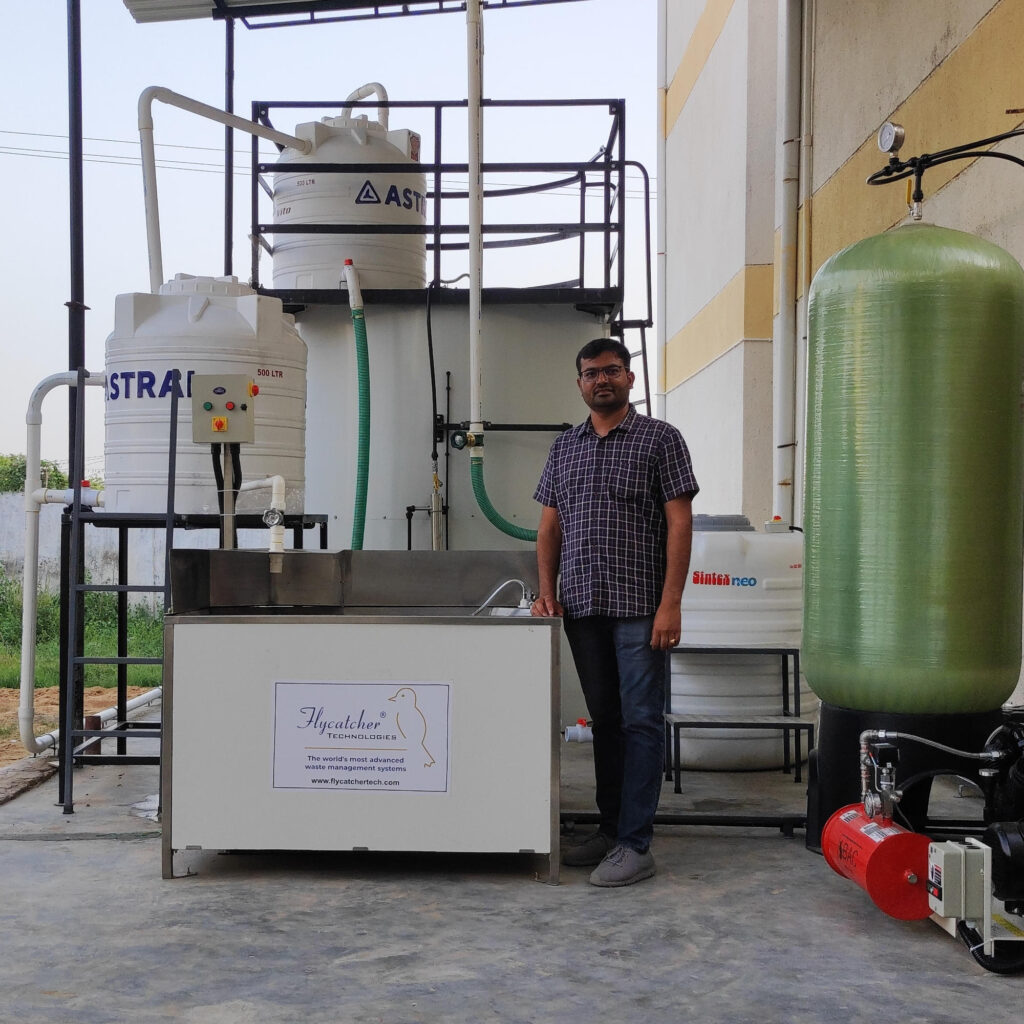
Community
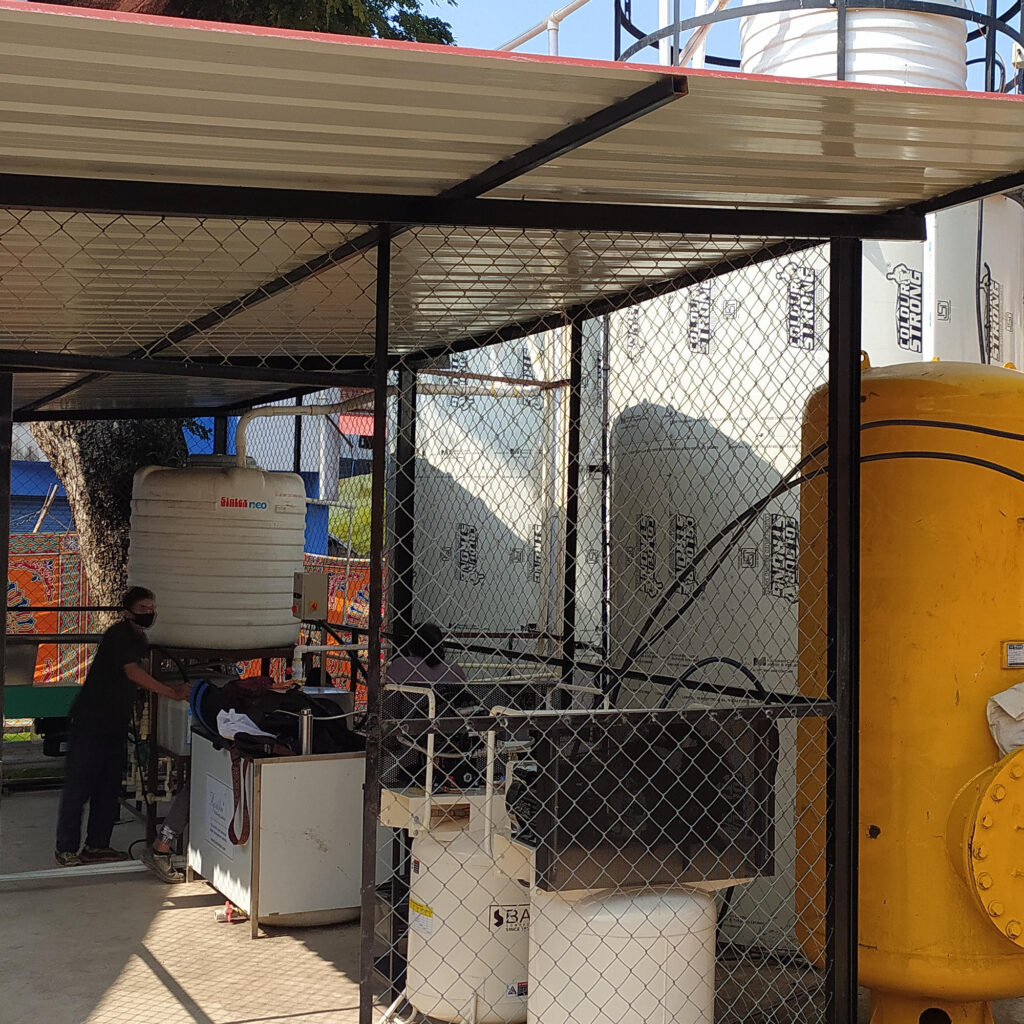
Hospital
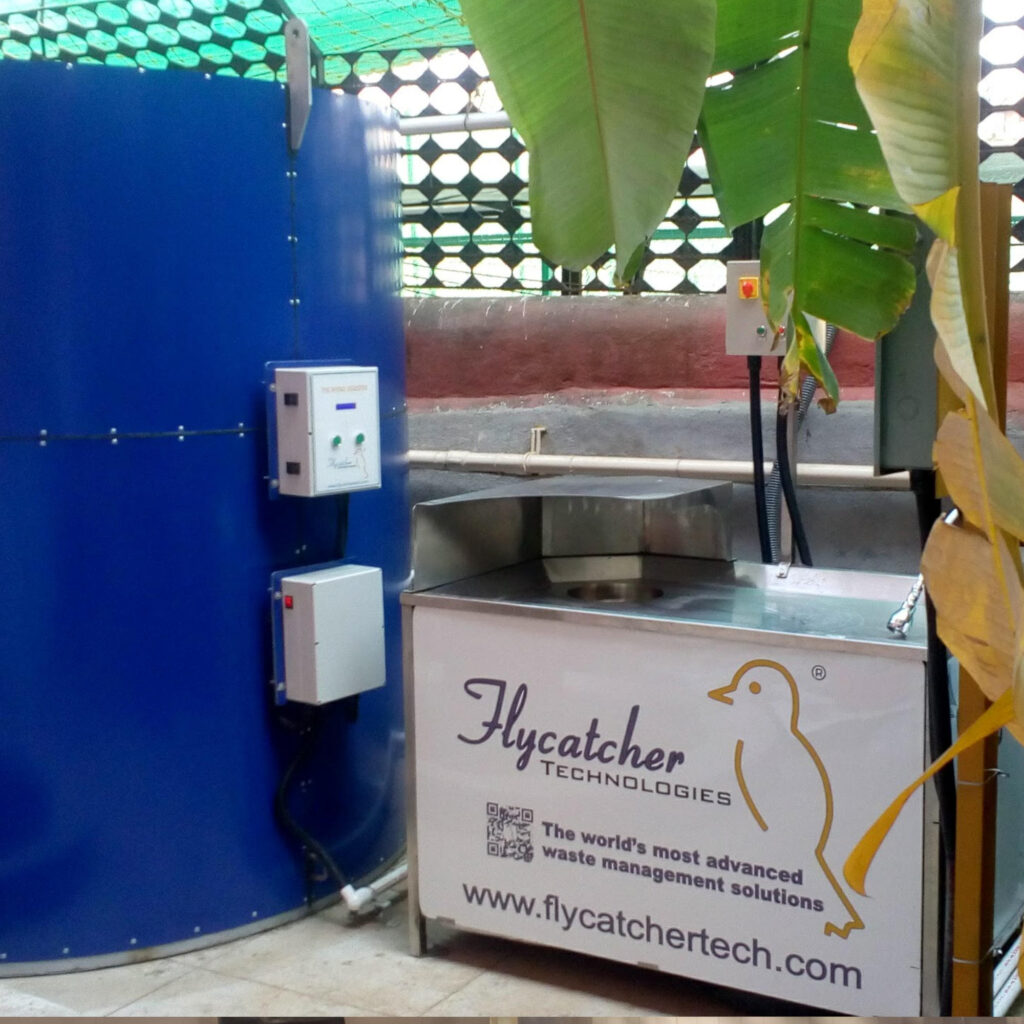
Hostel
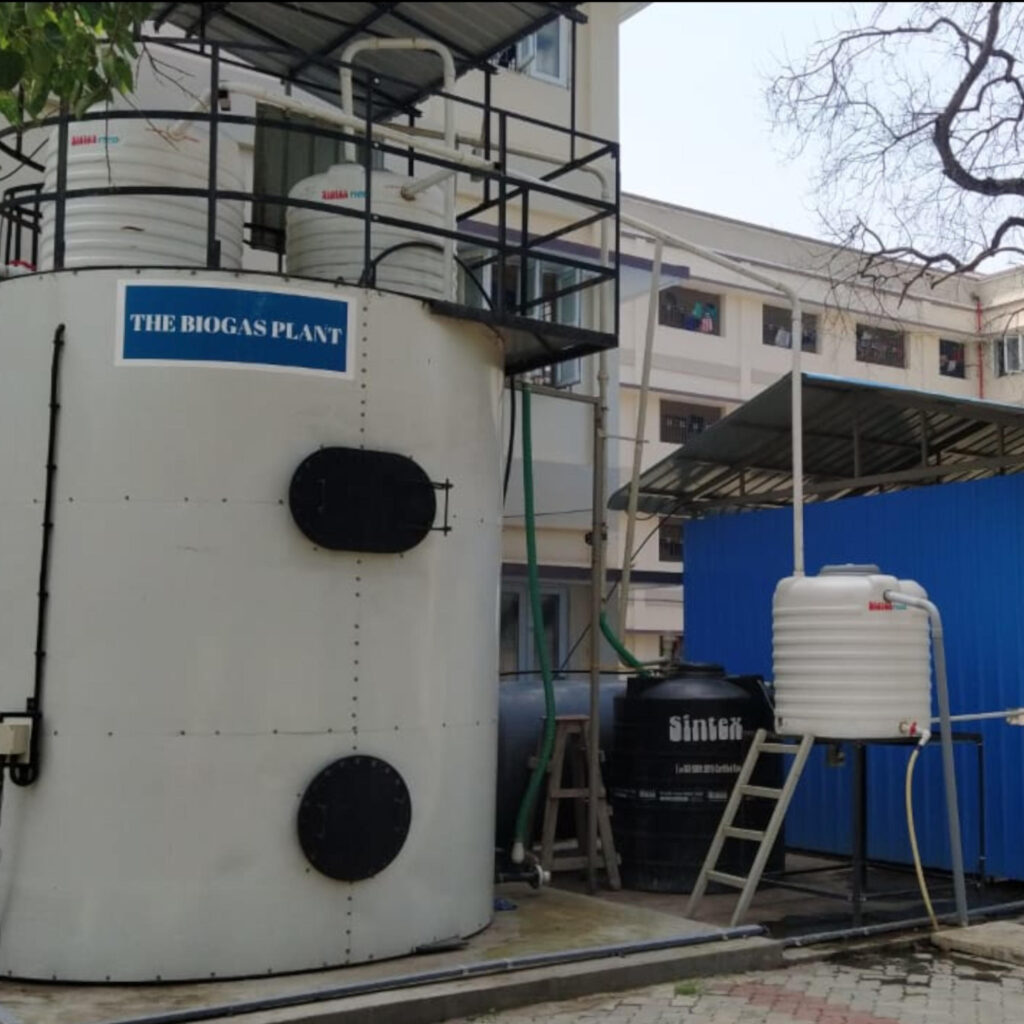
Hotel
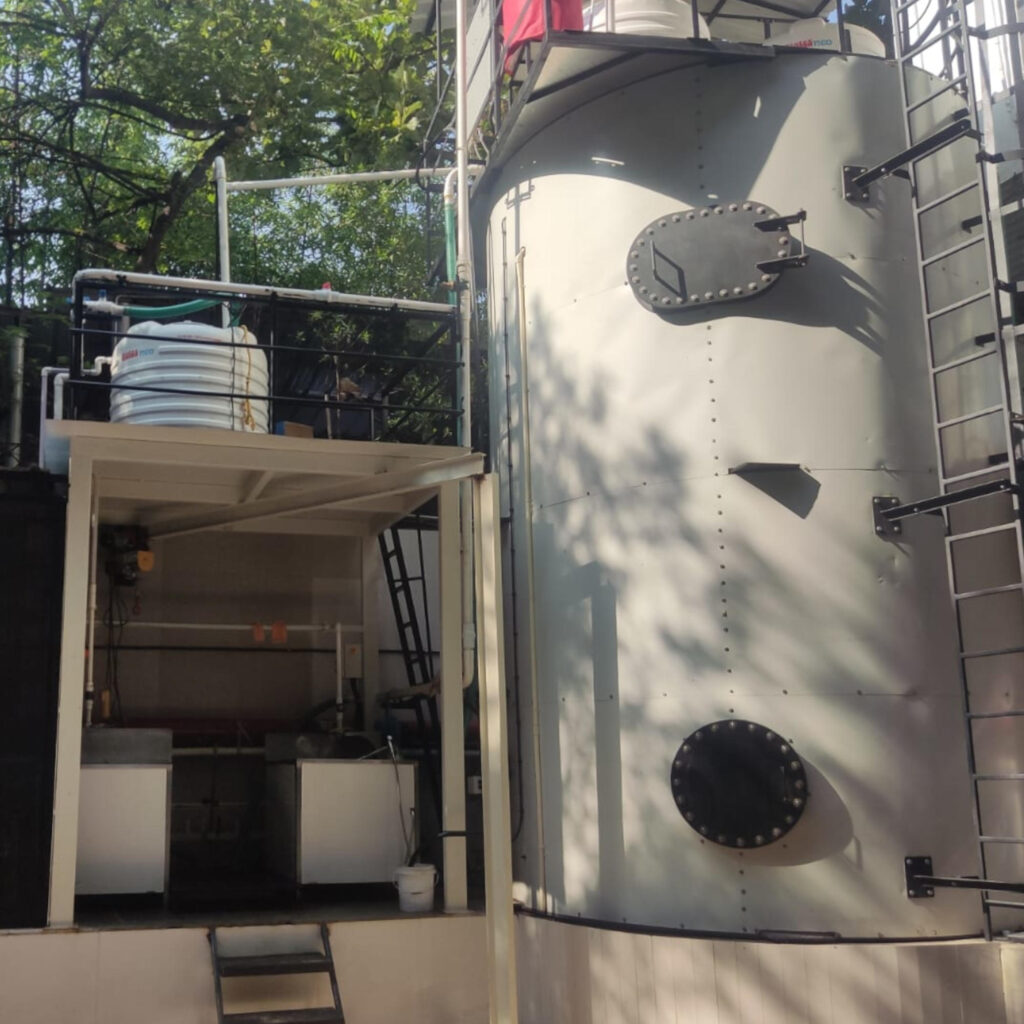
Standard Sizes
| Rhino Model | Waste (kg/day)1 | Biogas (kg/day)2 | Volume (m3) | Electricity Consumption (kW-hr/day)3 | Typical Layout | Budget (₹Lakhs) |
|---|---|---|---|---|---|---|
| 75 | 50 | 4 | 5 | 10 | [ ➚ ] | 12 |
| 150 | 100 | 8 | 10 | 15 | [ ➚ ] | 20 |
| 300 | 200 | 16 | 20 | 25 | [ ➚ ] | 33 |
| 500 | 350 | 28 | 33 | 40 | [ ➚ ] | 41 |
| 750 | 500 | 40 | 50 | 50 | [ ➚ ] | 50 |
| 1000 | 675 | 55 | 66 | 60 | [ ➚ ] | 60 |
Notes:
- This is our recommendation for conservative sizing. All wastes are different and the maximum loading rate depends greatly on the volatile solids in the waste.
- On an average biogas generated is about 8% of the waste input. It depends largely on the waste contents. Cooked food generates more biogas than vegetable peals [ ➚ ].
- The power consumption depends on the ambient temperature and wind. Power is used to maintain the temperature of the digester to ensure bacterial health.
Site Selection
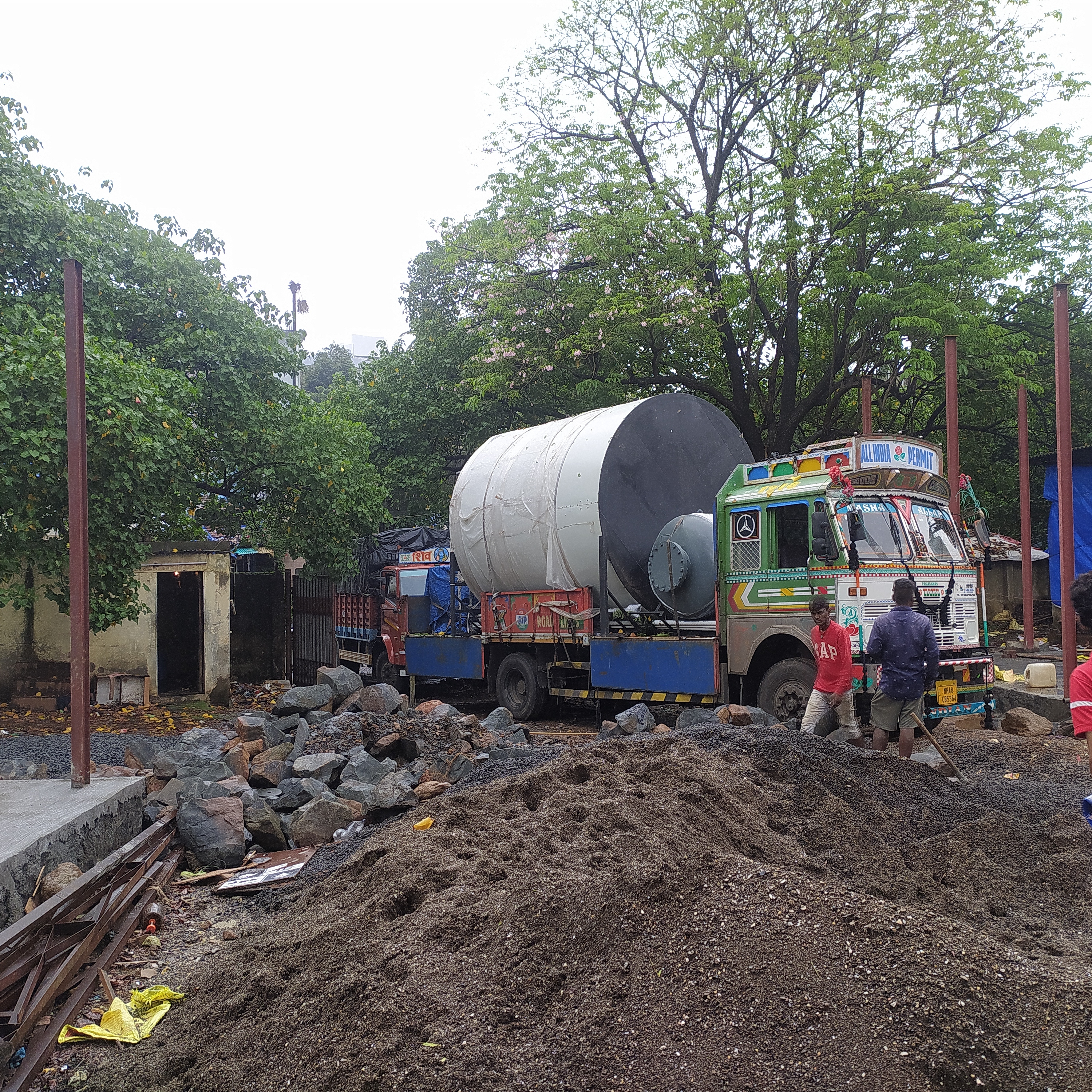
The installation site should be selected to meet the following requirements:
- Well ventilated
- Avoid high people traffic & play areas
- Away from where food is prepared, stored or consumed
- Odors are generated while feeding waste or during maintenance – we are dealing with waste – keep away from sensitive areas.
Setup & Utilities
- Three Phase Power with neutral & earthing
- Fresh water to keep the site clean
- Drainage for water used to wash the site
- A foundation and covered area / shed for electrical items and staff to work during the rains
Installation
Our trained personnel execute the installation process. The key steps are:
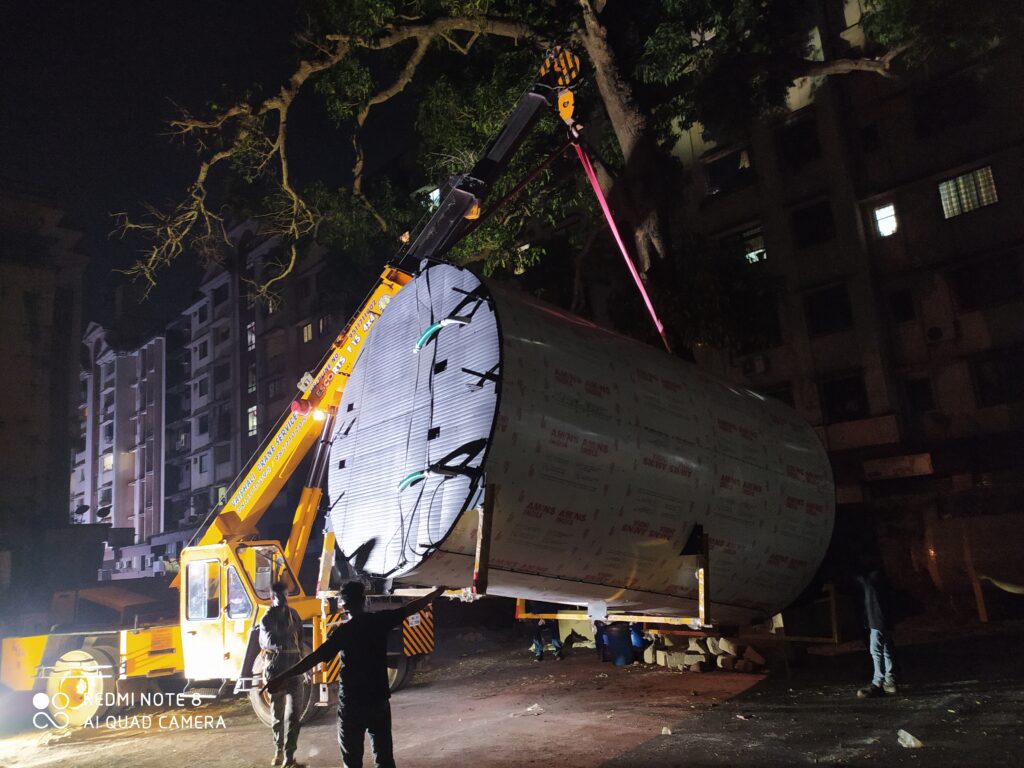
- Unloading and placement
- Instrument and part fitment
- Piping
- Wiring
- Quality checks
- Charging of culture
- Ramp up with regular monitoring of health – 45 days
- Routine monitoring and maintenance
O&M (Operation and Maintenence)
This is key to stable long term operation. Most technicians shy away from taking interest. If ignored, the bacterial health can degrade leading to an expensive process of draining and recharging the bacteria.
The Rhino Digester is a living system and must NOT be considered to be an appliance like a motor. With due care, it will operate flawlessly and provide resources of biogas and organic manure.
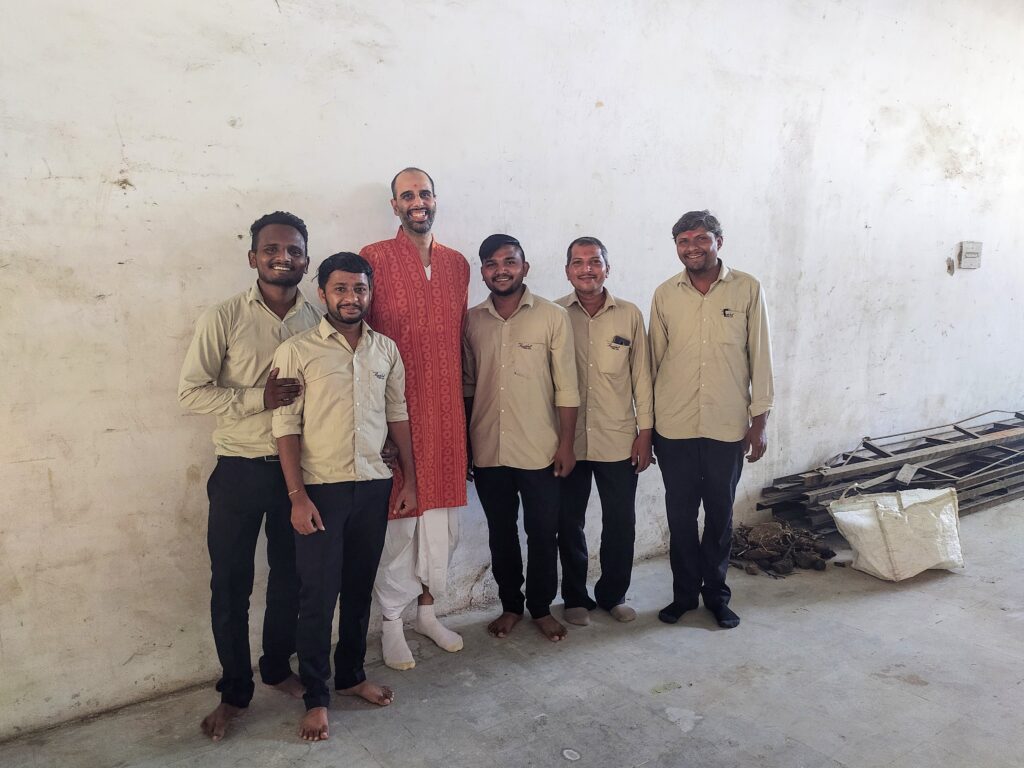
The system operates automatically, but needs to be maintained. The key aspects to monitor are:
- Segregated waste provided to operator
- Secondary sorting – small pieces of plastic, large bones, etc. The integrated crusher pulpes the waste.
- Minimum utilization of fresh water for pulping. Digestate is used for pulping.
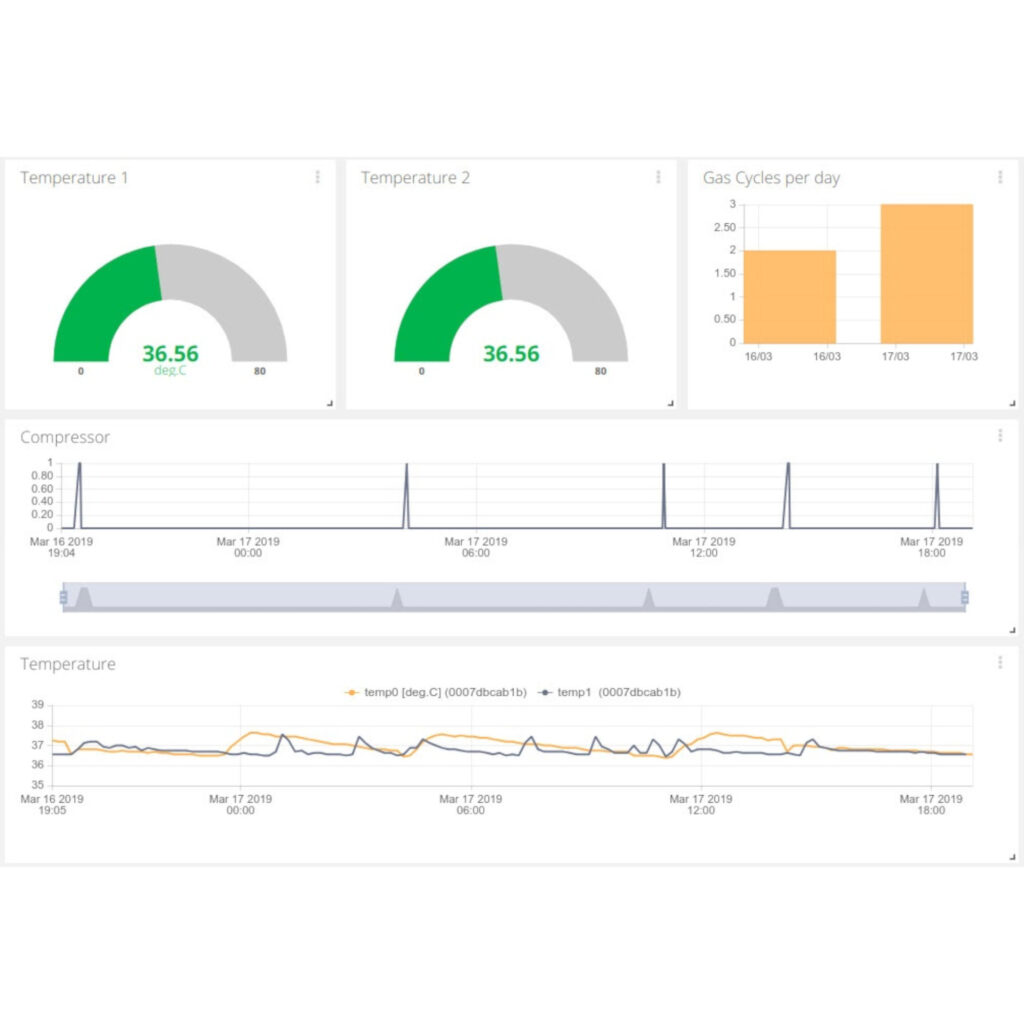
- Monitoring gas generation and internal temperature
- Monitoring the health of the bacteria through a titration
Technology
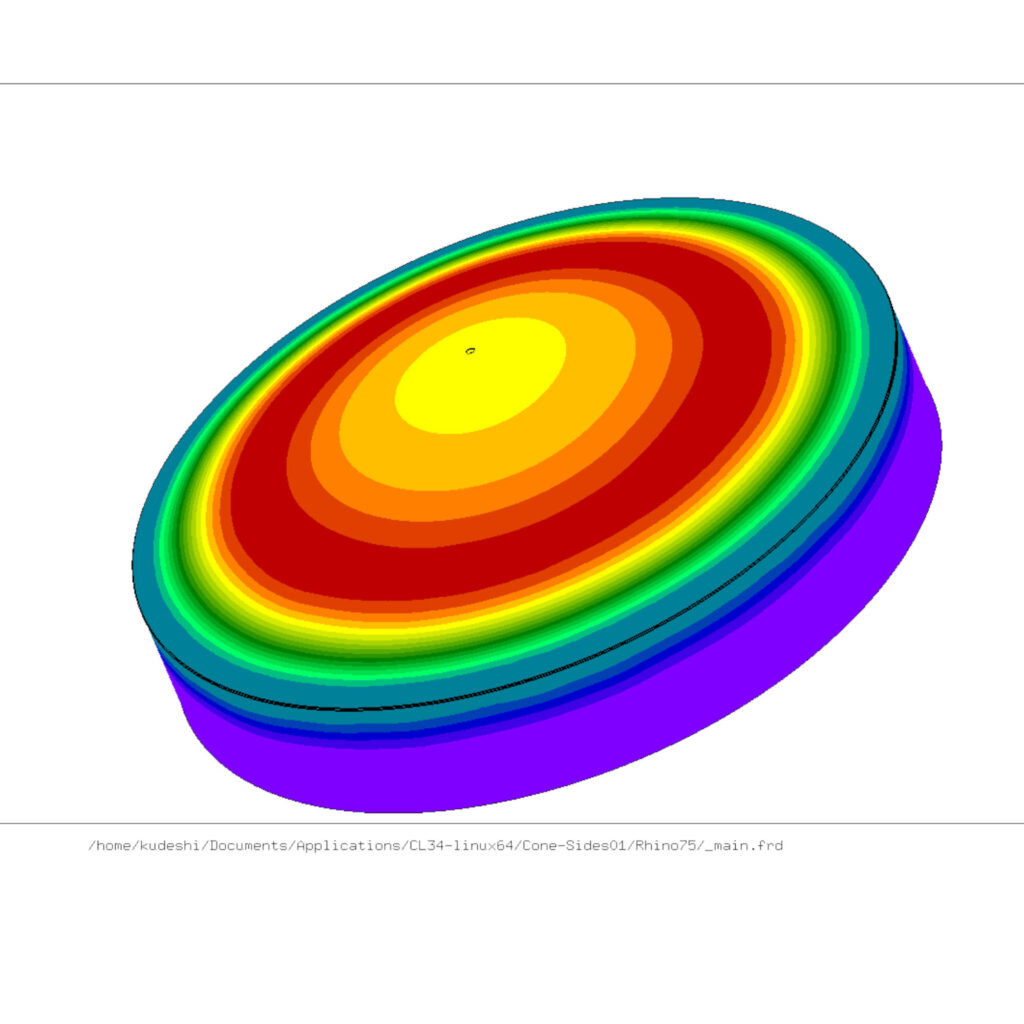
Robust Design
Factory Made
Online Monitoring
Made in India