
Why do we need to process our waste and adopt decentralised waste management? Why doesn’t the Government put up plants to do the job?
The elegance of Decentralised waste management may be grasped by considering that the largest portion of waste is biodegradable (~60-70%). Biodegradable waste is commonly referred to as “wet” waste. This in our urban centres is primarily vegetable peels and food scraps that can be best processed by Anaerobic Digestion.
The Challenges of Centralised Anaerobic Digestion
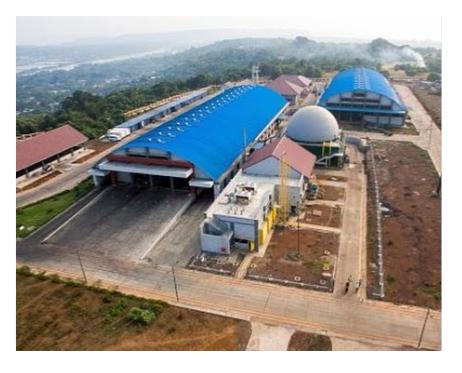
There have been and are multiple efforts to process urban waste (often referred to as Municipal Solid Waste) in centralised plants in Pune, Mumbai, Goa, Indore, etc. The typical challenges in implementing these are:
| Sr | Factor | Challenge |
|---|---|---|
| 1 | Implementation Time | Most often delayed due to the public procurement process and limited knowledge and experience of implementation among Urban Bodies. Implementation time is often in years. |
| . | ||
| 2 | Space | Many urban centers lack the necessary space, especially with city limits. Rural areas also resist having waste facilities. Remote plants also increase transportation costs. |
| . | ||
| 3 | Sustainable operation | Waste processing plants have sustained operating expenses due to the nature of the substrate. As investors aim to recover costs based on the outputs generated, the numbers haven’t added up due to a number of factors including downtime, biogas potential and distribution costs of the outputs. |
The Elegance of Decentralised Waste Management
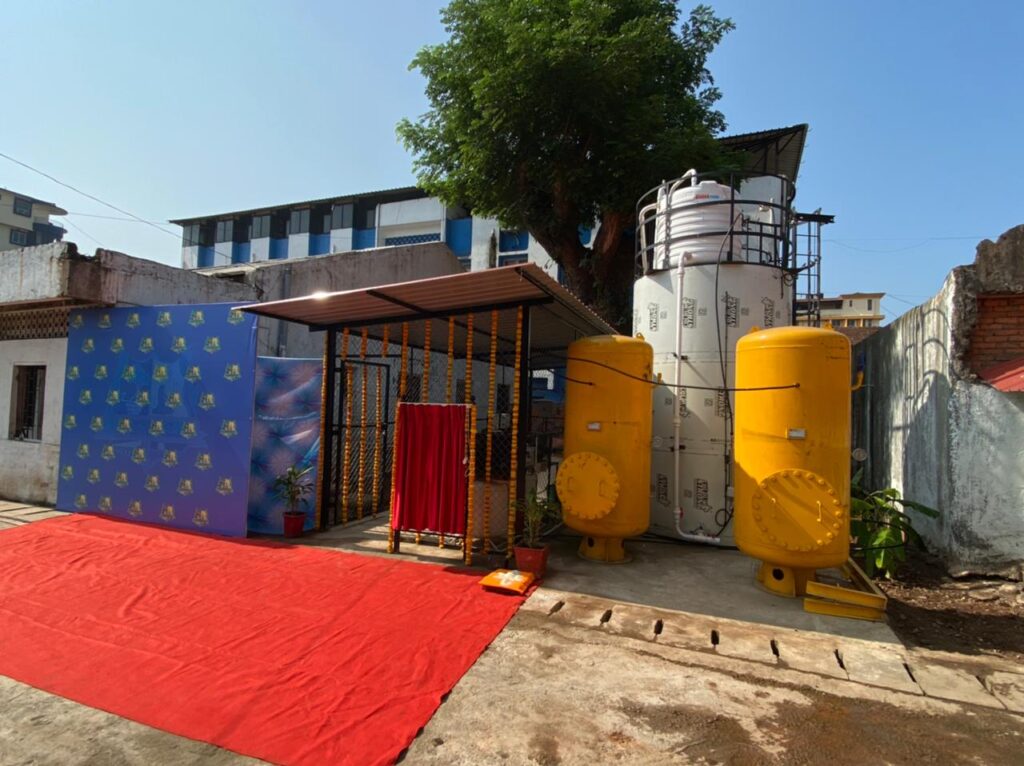
Decentralised Anaerobic Digestion addresses many of the challenges by shifting the responsibility to the waste generator. This shift ensures that waste is segregated and processed at the point of generation. The overall impact is that not only are all members of the community protected, but are also actively contributing.
| Sr | Factor | Challenge |
|---|---|---|
| 1 | Implementation Time | Quick as the waste generator is free to choose based on market economics. Projects are implemented as quickly as 1-2 months! |
| . | ||
| 2 | Space | The required space is equivalent to that of one car. A majority of facilities have this available. |
| . | ||
| 3 | Sustainable operation | We have found that the costs of plants can most often be recovered in a couple of years. This allows the waste generator to take responsibility and also benefit from the investment. |
| . |
Where Decentralised Waste Management Works
Decentralised waste processing systems have been successfully implemented by Flycatcher Technologies LLP across a wide variety of environments. One of our installations in Panaji, Goa was featured in a podcast by the BBC, highlighting how decentralised waste management can work successfully at the community level.
Residential Societies and Apartment Complexes
Housing communities can process their daily kitchen waste within their premises, significantly reducing the volume of waste sent to landfills.
Community-Level Installations
Where individual buildings lack sufficient space or a collection of smaller houses / apartments, a shared community facility can allow multiple buildings to process waste collectively.
Institutional and Industrial Canteens
Schools, factories, corporate campuses, and hospitals often generate large quantities of food waste. Localized processing systems help manage this efficiently while generating useful outputs.
Hotels and Resorts
Hospitality establishments benefit from hygienic on-site waste processing while reducing disposal costs and environmental impact.
Individual Homes
Compact systems can even be installed in single-family homes, enabling households to move toward a zero-waste lifestyle.
Benefits of Decentralised Waste Management
Reduced Waste Transportation
Waste is processed locally, eliminating the need for transport.
Lower Environmental Impact
Organic waste is converted into useful resources instead of generating landfill emissions.
Compact Systems
Modern systems require very little space and can fit within residential or institutional premises.
Energy Generation
Biogas produced from waste can be used for cooking or heating.
Organic Fertilizer Production
The digestate produced can be used in gardens and landscaping.
Regulatory Compliance
Bulk waste generators can meet municipal waste management requirements.
Conclusions
Decentralized waste processing addresses major challenges faced in executing and operating centralized facilities. These aspects have been considered by authorities and implemented in the form of Solid Waste Management Rules. These rules mandate that all bulk waste generators must process wet waste within their premises.
Although often resisted, this is currently the only sustainable way forward to address the challenge of waste management.
Start Your Decentralised Waste Management Journey
Flycatcher Technologies LLP designs and implements decentralized waste processing systems for communities, institutions, and businesses.
If you would like to explore how a decentralized system could work for your organization or community, we would be happy to discuss your requirements.
Contact us to learn more about sustainable waste management solutions.

