The standard operating procedure for waste in India is “out of sight, out of mind.” Waste was simply an operational nuisance to be carted away by the municipality and make it disappear in lanfils. However, the notification of the Solid Waste Management Rules 2026 (SWM 2026) ends that era of passivity. Effective April 1, 2026, waste responsibility is shifting from a municipal service to a rigorous, private-sector-led compliance model moving towards ensuring that “Landfills are over”.
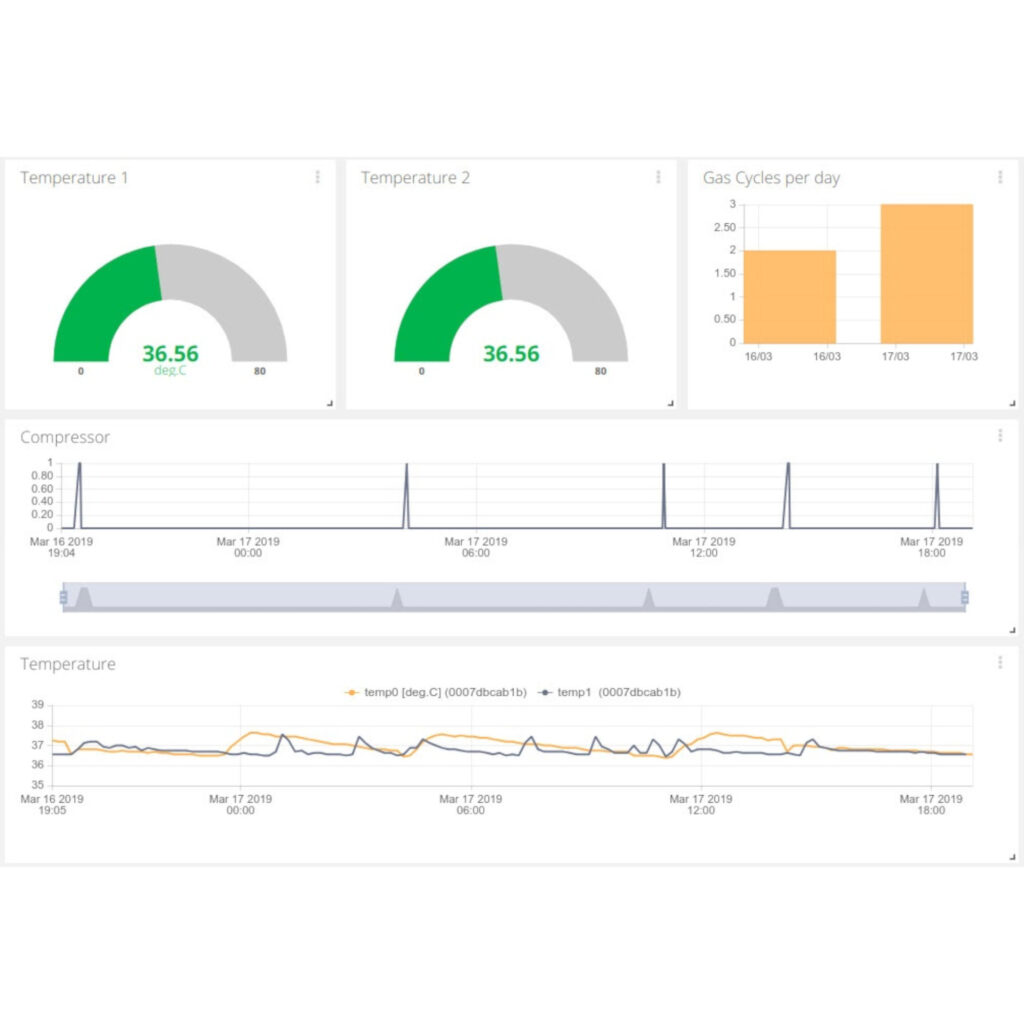
SWM 2026 marks a structural shift toward a circular economy, where the government is deploying a centralized digital portal as a real-time compliance and monitoring backbone much like the Goods and Services Tax (GST) framework. Under GST, businesses moved from fragmented, manual filings to a unified, technology-driven system enabling invoice matching, audit trails, and data transparency.
A similar paradigm is now emerging for waste management. For Bulk Waste Generators (BWGs), compliance is no longer a box-ticking exercise, it is traceable, digitally enforced obligation. Just as GST forced companies to get their systems in order, these new environmental compliance requirements will directly impact comliance and operational planning.
Takeaway 1: A “Bulk Wage Generator” as per SWM 2026 and Not Know It Yet
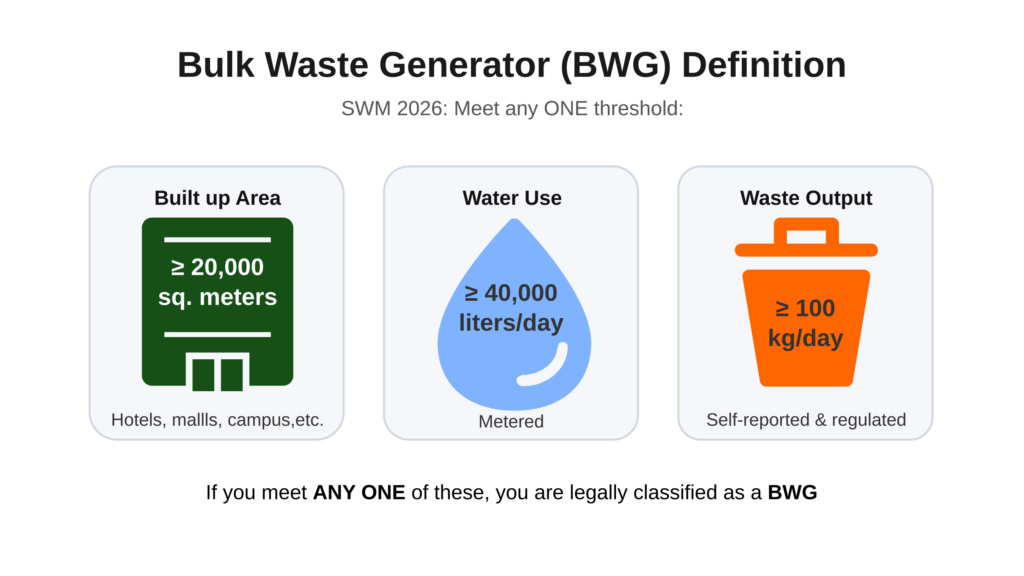
The 2026 rules have expanded the definition of a “Bulk Waste Generator” (BWG) using three specific legal thresholds. You are classified as a BWG if your facility meets any one of the following:
- Area: Buildings or facilities with a floor area of 20,000 sq. meters or more.
- Water Consumption: Facilities consuming 40,000 liters of water per day or more.
- Waste Generation: Any entity generating more than 100 kg of waste per day.
The inclusion of water consumption as a compliance trigger is one every entity should pay close attention to. Unlike waste volumes, which can be inconsistently recorded or under-reported, water consumption is a metered utility with a verifiable audit trail. By linking waste classification to this hard data point, regulators have effectively removed ambiguity from compliance assessment.
Tip: Expect local bodies will use utility billing data to auto-identify BWGs via the Centralized Online Portal. If your water meter hits that 40,000-liter mark, you are a BWG in the eyes of the law, regardless of what your waste logs say.
Takeaway 2: The End of Two-Bin Segregation (Meet the “Four Streams”)
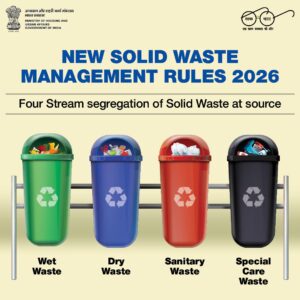
The SWM 2026 Rules mandate a shift from simple “wet and dry” separation to a rigorous four-stream segregation at the source. This requires a total overhaul of your internal janitorial protocols and container infrastructure.
The four mandatory streams are:
- Wet Waste: Bio-degradable materials (kitchen and garden waste).
- Dry Waste: Non-biodegradable materials (plastic, paper, metal, glass).
- Sanitary Waste: Used diapers, sanitary towels, tampons, and condoms.
- Special Care Waste: A high-risk category including expired medicines, mercury thermometers, pesticide containers, and common hazardous items like CFLs and needles.
The legal weight of this requirement is absolute:
“Each waste generator shall… store them in four separate streams namely bio-degradable waste, non-bio-degradable waste, sanitary waste and special care waste.”
Tip: “Special Care Waste” needs care. Used needles from onsite clinics or CFLs from maintenance teams cannot be “mixed in.” Failure to segregate these triggers immediate “Environmental Compensation” penalties.
Takeaway 3: Mandatory Onsite Processing for Large Campuses
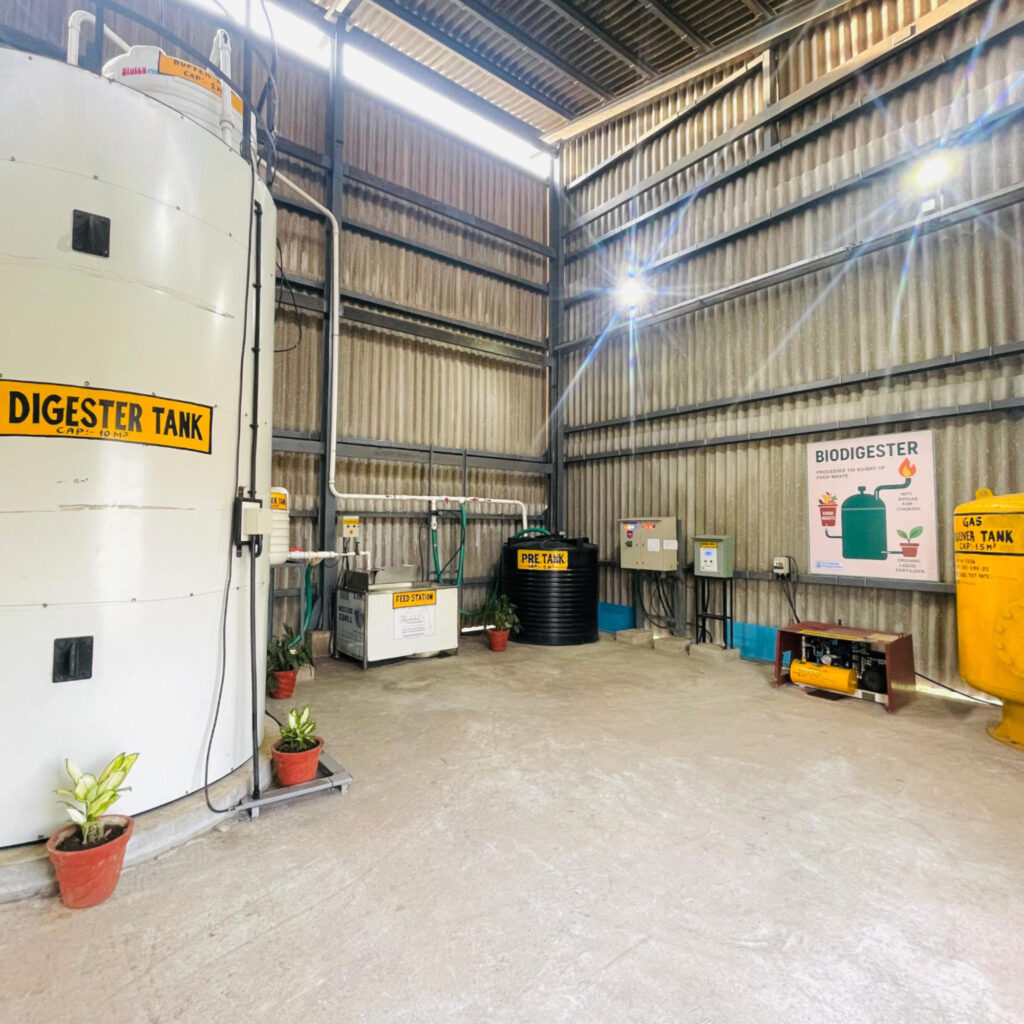
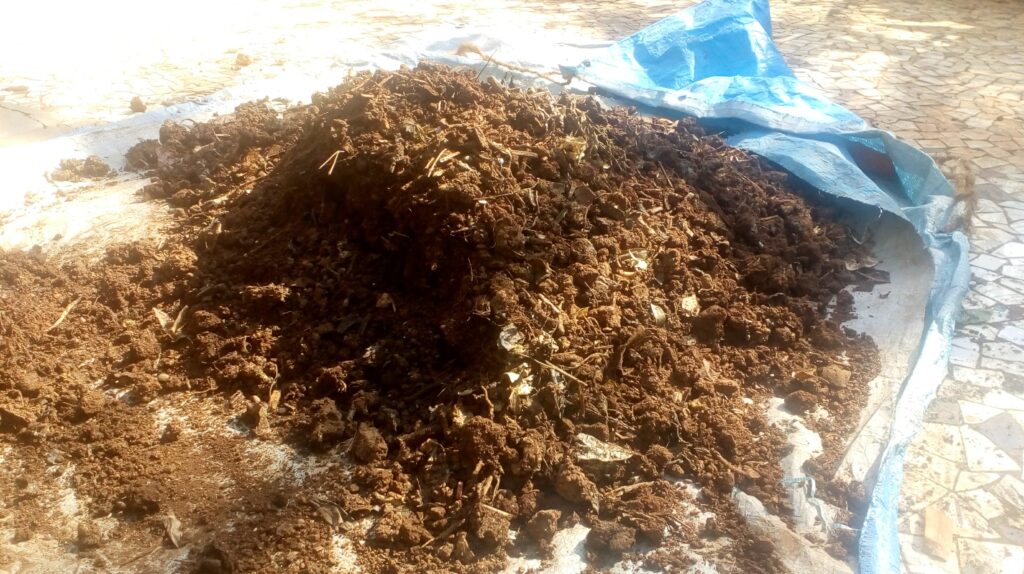
Onsite processing via bio-methanation and composting is mandated.
The government is decentralizing waste infrastructure by shifting the burden to the private sector. Under SWM 2026 Rule 5(2), all entities including hotels, restaurants, gated communities, and institutions, with an area exceeding 5,000 sq. meters must process their waste within their own premises.
Bio-degradable waste must be handled via composting or bio-methanation “as far as possible within the premises.” This mandate effectively requires campuses to be self-reliant as far as processing “wet” waste.
Tip: If you are over the 5,000 sqm threshold, start your CAPEX planning for onsite bio-methanation and / or industrial composting units now. The “Landfill User Fee” for sending unsorted waste to a landfill is legally designed to be higher than the cost of processing it yourself.
Takeaway 4: Strategic Compliance via “EBWGR” Certificates
The Extended Bulk Waste Generator Responsibility (EBWGR) certificate is a new financial instrument for compliance. If a BWG cannot process waste onsite, they must prove their waste was handled in an environmentally sound manner by obtaining these certificates from the local body. Crucially, per Section 10(6), these EBWGR Certificates have a three-year validity. If you process more waste than required in Year 1, you can offset your requirements in Year 2 and 3.
Tip: Use the three-year validity window for strategic multi-year compliance planning. If you fail to secure these certificates, you face “Environmental Compensation” (EC) fines, which are punitive and non-negotiable.
Takeaway 5: The Digital Handshake and the June 30th Trigger
The 2026 framework is built on total transparency. Every BWG, collector, and processor must register on the Centralized Online Portal. This “Digital Handshake” is the only way to validate your compliance.
- June 30th Deadline: Every registered entity must file an Annual Return by June 30th every year. This is the “digital audit trigger” that will alert regulators to discrepancies in your waste volumes.
- Zero Tolerance for Unregistered Links: Rule 6 strictly forbids transactions with any entity, collector or processor, not registered on the portal.
Tip: You must audit your current waste vendors now. If your waste contractor is not ready to be on the portal by 2026, any waste you hand over to them will be considered “illegally dumped” in the eyes of the regulator, and the liability will sit squarely with you.
Conclusion: A Future Without Landfills?
The 2026 vision is clear: the era of the “dump site” is over. It is being replaced by a circular economy where waste is a traceable, taxable, and tradable commodity. By integrating digital tracking, mandatory onsite processing, and industrial fuel quotas, the government has removed the option of looking the other way.
As a facility leader, you must decide your position in this new era. The 2026 rules have ushered in a new era of a digitally enforced circular economy.